
When people decide to lose weight, the number on the scale often becomes the main measure of progress. But weight loss does not always mean fat loss alone. When you eat fewer calories than your body uses, you may lose a combination of body fat, water, and lean tissue, including muscle.

This is why successful weight management is not simply about becoming lighter. Ideally, the goal is to reduce excess body fat while preserving as much muscle as possible. Maintaining muscle can support strength, mobility, physical function, and long-term health, making it an important part of a well-planned weight-loss approach.
Weight Loss Can Include Muscle Loss
A calorie deficit encourages the body to use stored energy, which helps reduce body weight. However, the body does not draw energy exclusively from fat stores. Some lean tissue can also be lost, particularly when calorie restriction is substantial or when a person is not physically active.
Research has shown that dietary weight-loss programs can result in reductions in both fat mass and fat-free mass. The amount of muscle lost varies depending on factors such as age, diet, activity level, rate of weight loss, and starting body composition.
Losing some lean mass during weight loss can be difficult to avoid entirely. The aim is therefore not necessarily to prevent every small change in muscle mass, but to minimize unnecessary muscle loss.
Muscle Helps You Stay Strong and Independent
Muscle is important for much more than appearance. Skeletal muscles allow you to walk, climb stairs, lift objects, exercise, maintain posture, and perform everyday activities.
If too much muscle is lost while dieting, a person may become lighter without necessarily becoming stronger or more physically capable. Over time, reduced muscle mass can affect strength and make regular physical activity more difficult.
Maintaining muscle becomes particularly important with age because adults naturally tend to lose muscle mass and strength as they get older. Protecting muscle during periods of intentional weight loss can therefore help support mobility and physical independence later in life.
Muscle Contributes to Your Daily Energy Needs
Muscle is metabolically active tissue, meaning it requires energy to maintain itself. However, the common claim that adding a small amount of muscle dramatically increases calorie burning is often exaggerated.
Having more lean mass does contribute to energy expenditure, but preserving muscle should not be viewed as a shortcut for creating a much faster metabolism. Its more important benefits include supporting physical activity, strength, exercise performance, and body composition.
Someone who maintains their strength during weight loss may also find it easier to remain active, which can contribute to overall energy expenditure and support long-term weight management.
Resistance Training Can Help Protect Muscle
One of the most effective strategies for preserving muscle during weight loss is resistance training.
Resistance exercise involves working your muscles against some form of resistance. This may include free weights, weight machines, resistance bands, or body-weight exercises such as squats, push-ups, and lunges.
A 2025 systematic review and meta-analysis found that adding resistance exercise to dietary weight loss helped reduce the loss of fat-free mass while also improving strength and promoting greater fat loss compared with dieting alone.
The important point is that exercise during weight loss should not focus exclusively on burning calories. Giving your muscles a reason to remain strong is also valuable.
Eating Enough Protein Matters
Protein supplies amino acids that the body uses to repair and maintain muscle tissue. During weight loss, adequate protein intake becomes particularly important because the body is already operating with reduced energy intake.
Research suggests that higher protein intake can help people retain more muscle while losing weight, especially when combined with resistance training.
Useful protein sources include:
Eggs
Fish and seafood
Chicken and other lean meats
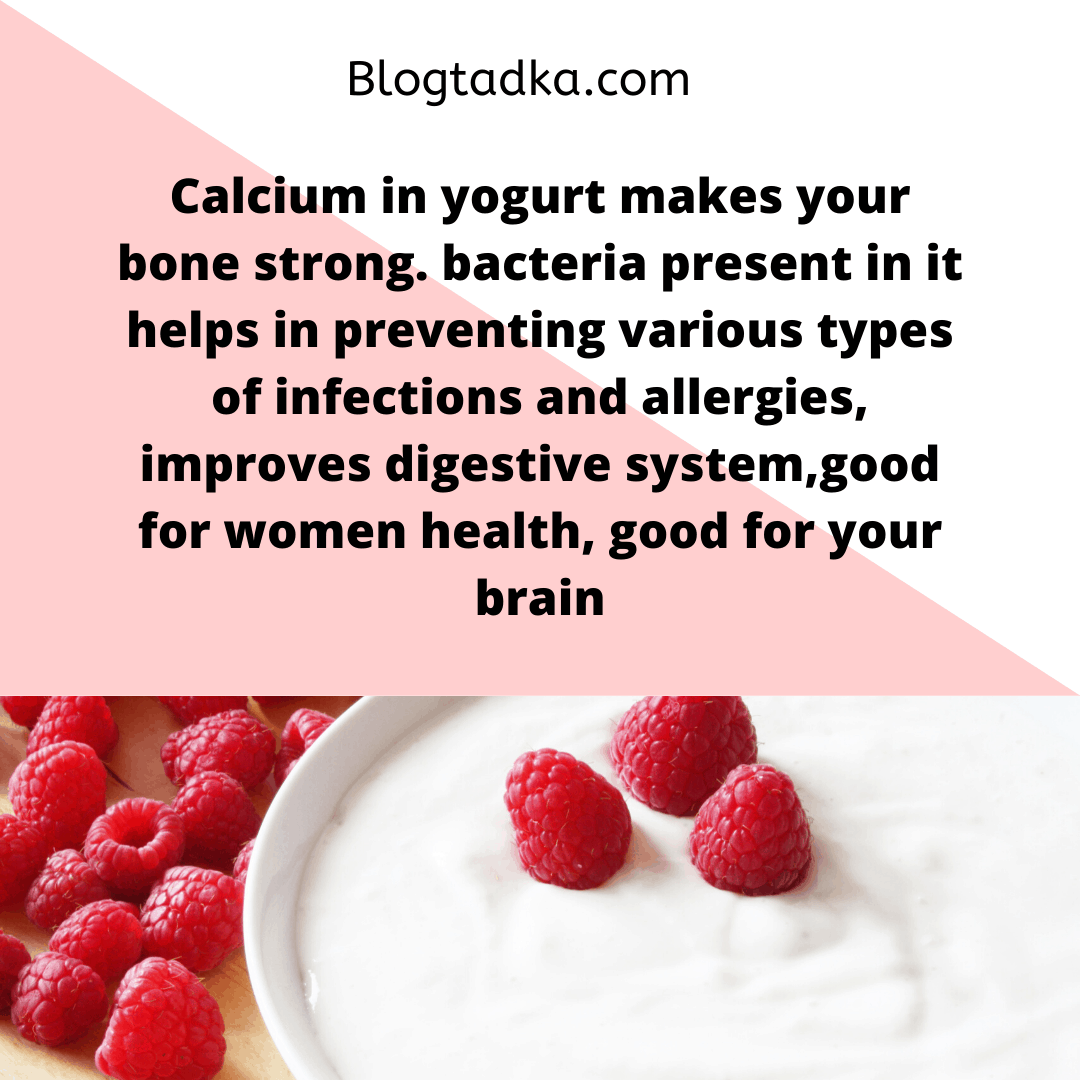
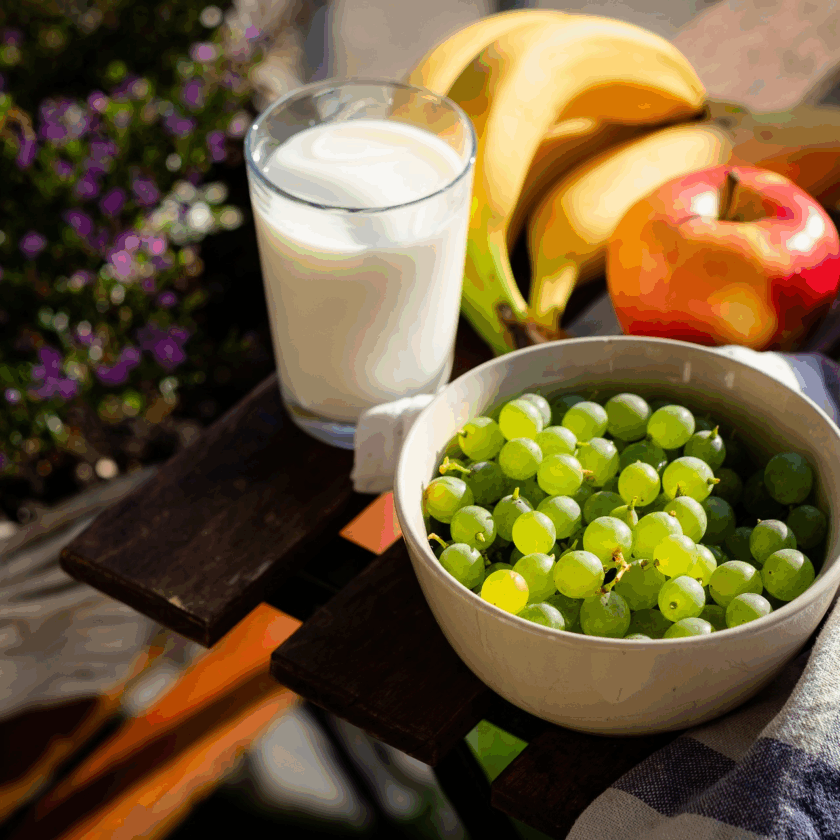
Milk, yogurt, and cottage cheese
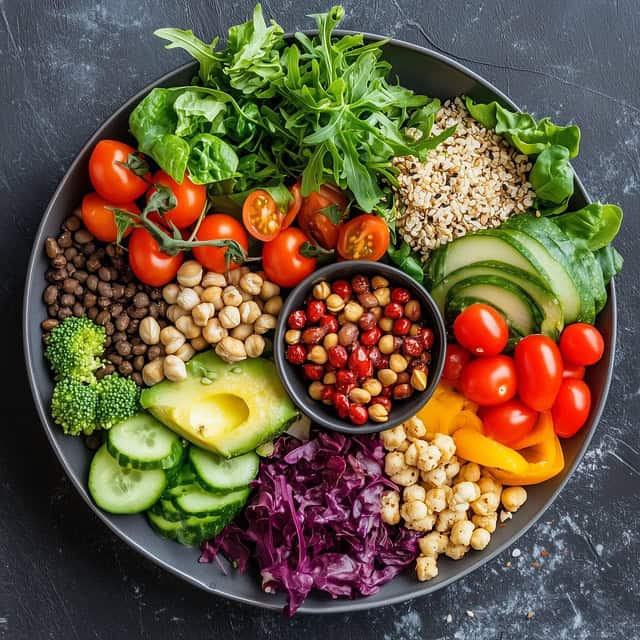
Beans, chickpeas, and lentils
Soy foods such as tofu and tempeh
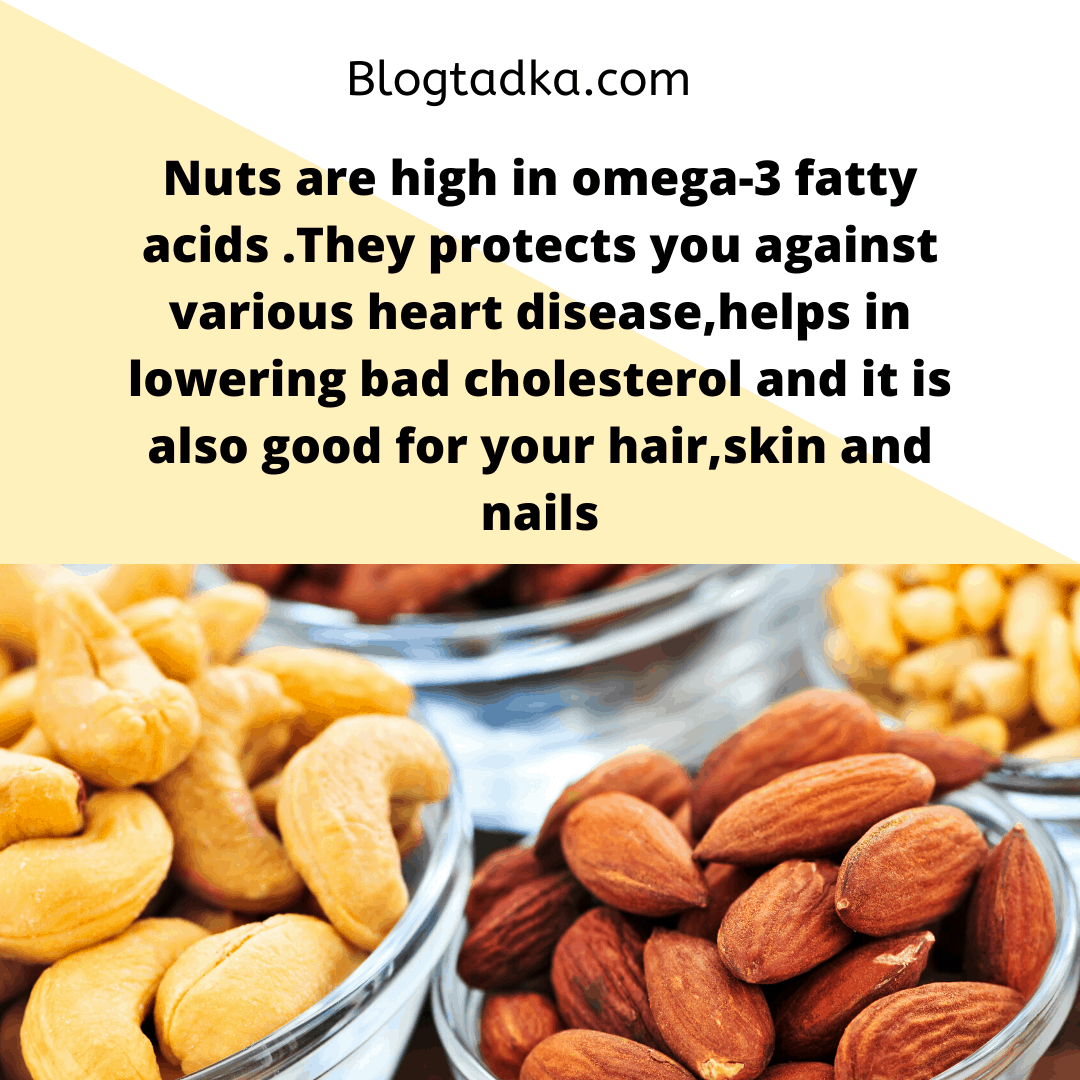
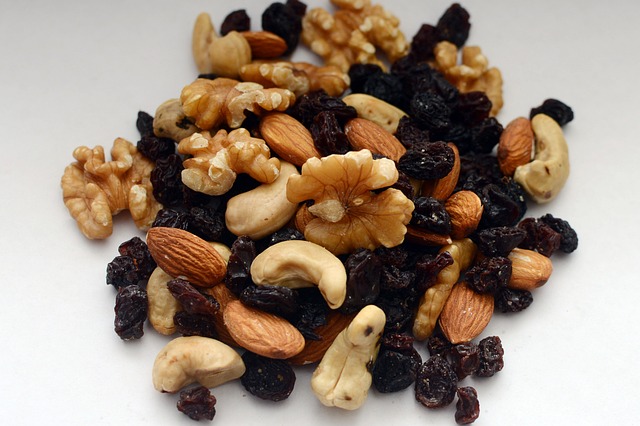
Nuts and seeds
Protein supplements can be convenient, but they are not essential for everyone. Many people can meet their needs through regular foods.
Individual protein requirements vary depending on body size, age, activity level, health conditions, and training goals, so extremely high-protein diets are not automatically better.
Avoid Extremely Rapid Weight Loss
Trying to lose weight as quickly as possible can make it harder to preserve lean tissue, particularly when severe calorie restriction is combined with inadequate protein and little resistance exercise.
A more moderate approach generally gives people greater opportunity to maintain nutritious eating habits and continue exercising while losing weight.
Rather than judging progress entirely by how quickly the scale moves, it may be more useful to pay attention to several signs of progress. Changes in waist measurements, strength, fitness, energy levels, clothing fit, and overall wellbeing can provide information that body weight alone cannot.
Focus on Body Composition, Not Just Body Weight
Two people can lose the same amount of weight but experience very different changes in their bodies. One may lose predominantly body fat while preserving muscle, while another may lose a larger proportion of lean tissue.
This is why the lowest possible number on the scale is not necessarily the best goal.
A healthier weight-loss strategy focuses on improving body composition while maintaining the body’s ability to move, work, and exercise effectively.
The Bottom Line
Weight loss is most beneficial when it improves health without unnecessarily sacrificing muscle. While some lean tissue loss may occur during calorie restriction, resistance training, adequate protein intake, regular physical activity, and a sensible rate of weight loss can help protect muscle.
Instead of asking only, “How much weight have I lost?”, it may be worth asking another question: “What kind of weight am I losing?”
Preserving muscle while reducing excess body fat can help you emerge from the weight-loss process not simply lighter, but stronger and better prepared to maintain an active lifestyle.